Parking areas used to be simple spaces. Today, they’re shared by residents, visitors, delivery drivers, rideshare vehicles, and service crews, often all at once. That mix increases risk. Property managers and facility operators are dealing with unauthorized parking, near-misses between vehicles and pedestrians, and rising liability concerns.
Parking lot barrier arms are becoming a practical response to these everyday challenges. Rather than reacting to problems after they happen, many sites now use parking lot barrier arms to bring order at the entry point. This article explains how parking lot barrier arms support safer, more predictable parking environments as 2026 approaches.
Parking Lot Barrier Arms and the Role They Play in Everyday Safety
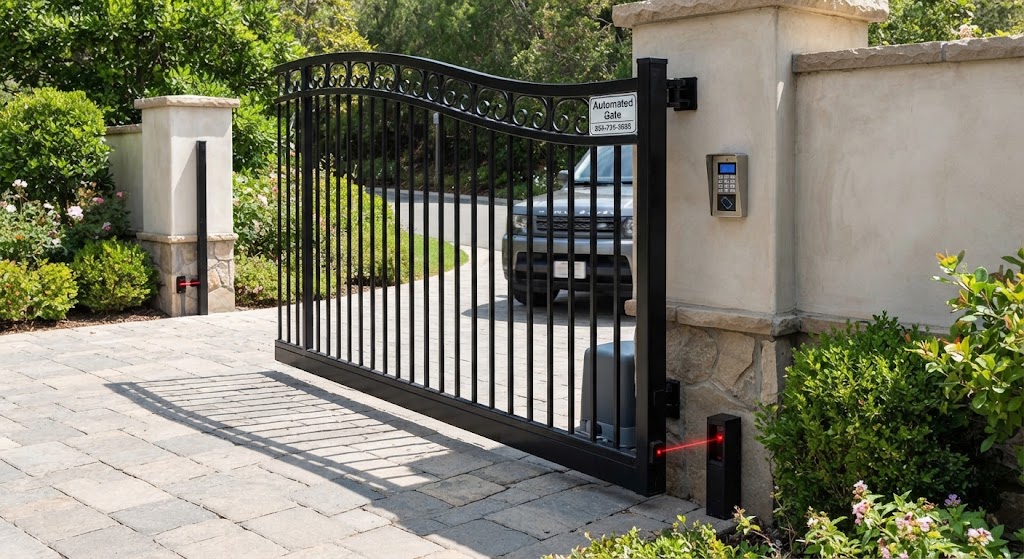
If you have ever wondered how does a car park barrier work to enhance daily security, the answer lies in its ability to physically regulate traffic flow. At their core, modern parking barrier systems are designed to dictate exactly when and how vehicles enter and exit a property. That brief, mandatory physical pause makes a significant difference. Because automatic parking barriers require vehicles to come to a complete stop before proceeding, drivers instinctively slow their speed, observe their surroundings, and follow a clear, intended path rather than rushing into a crowded lot.
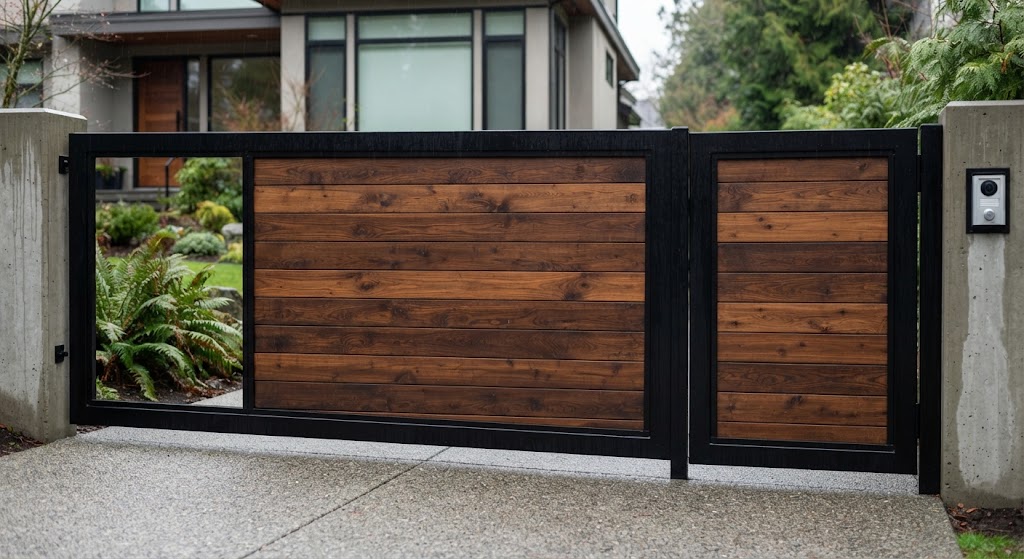
Furthermore, commercial parking gates establish immediate, visible boundaries and rules that drivers easily recognize. In bustling parking environments, this predictability vastly reduces driver hesitation and confusion. Pedestrians reap the benefits just as much. When vehicle traffic is properly managed by the dependable commercial barrier gates Vancouver property managers rely on, individuals crossing lanes or navigating near entrances encounter far fewer unexpected hazards. Over time, these installations foster safer habits for everyone through steady consistency. Their true value is demonstrated through smoother daily operations, actively preventing accidents before they ever have the chance to happen.
How Parking Lot Barrier Arms Reduce Unauthorized Parking and Misuse
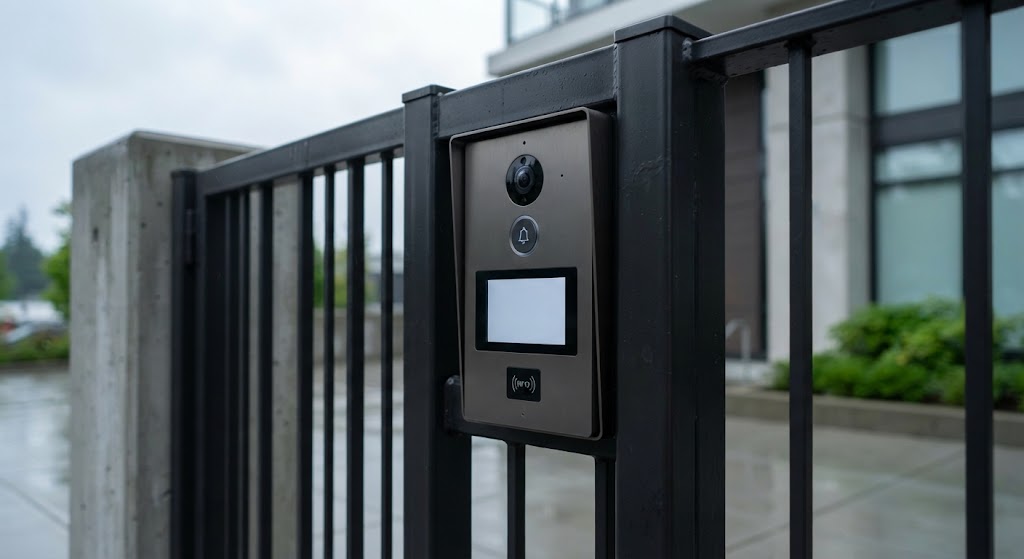
Unauthorized parking causes congestion, blocked access, and disputes between tenants and visitors. Parking lot barrier arms limit entry to approved users through credentials, key fobs, license plate recognition, or scheduled access windows. When paired with systems commonly described as access control gates Vancouver property managers already use, accountability improves without constant monitoring. Drivers know when access is allowed and when it is not.
Parking lot barrier arms help enforce parking rules, which often results in fewer complaints and clearer expectations for everyone using the space.
Parking Lot Barrier Arms as a Tool for Accident Prevention
Many parking lot incidents happen at entrances. Vehicles enter too quickly, follow too closely, or stop abruptly. Parking lot barrier arms change that behaviour by design. Entry becomes slower and more deliberate. Tailgating is discouraged because access happens one vehicle at a time. Sudden braking becomes less common when drivers anticipate a controlled stop.
Over time, parking lot barrier arms encourage predictable movement patterns. That predictability reduces minor collisions and close calls, primarily in lots shared by cars, cyclists, and pedestrians. The result is a more orderly flow.
What Modern Barrier Arm Installation Looks Like in 2026
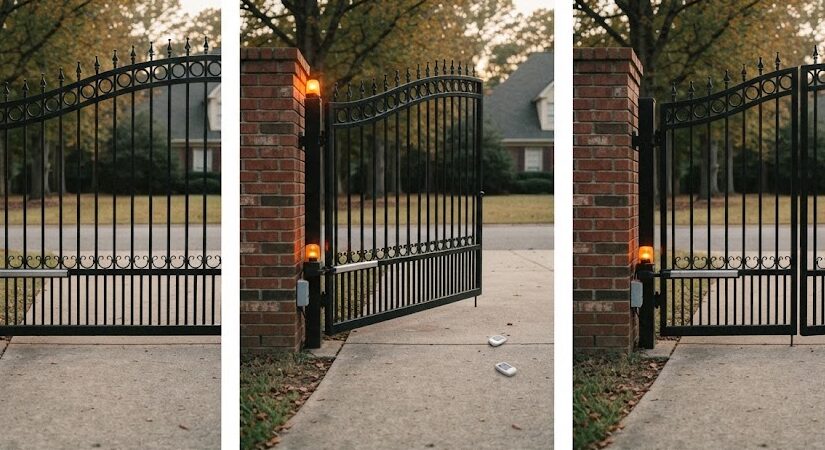
Today’s parking lot barrier arms are built for long service life and frequent use. Systems are designed to withstand weather exposure, handle high traffic volume, and integrate with existing infrastructure.
In markets such as barrier arm installation in Vancouver, professional installation focuses on proper alignment, a reliable power supply, and compatibility with existing access systems.
Well-installed parking lot barrier arms require fewer adjustments over time and cause fewer operational disruptions. The emphasis is on reliability rather than novelty, which matters for properties planning years ahead.
Where Parking Lot BarrierArms Deliver the Most Value
Parking lot barrier arms perform especially well in environments where access changes throughout the day. Residential complexes benefit from controlled resident entry. Commercial parking lots gain clearer traffic flow. Mixed-use properties rely on parking lot barrier arms to separate public and private access without confusion.
Final Thoughts: Making Parking Safer Starts at the Entry Point
As parking demands increase, unmanaged access creates unnecessary risk. Parking lot barrier arms provide a practical way to improve safety and control at the entry point. Property managers planning for 2026 can benefit from reviewing current access setups and making targeted improvements.
Experienced providers like WEAGA support this process from assessment through installation, and property teams can contact them or request a quote online when evaluating next steps.