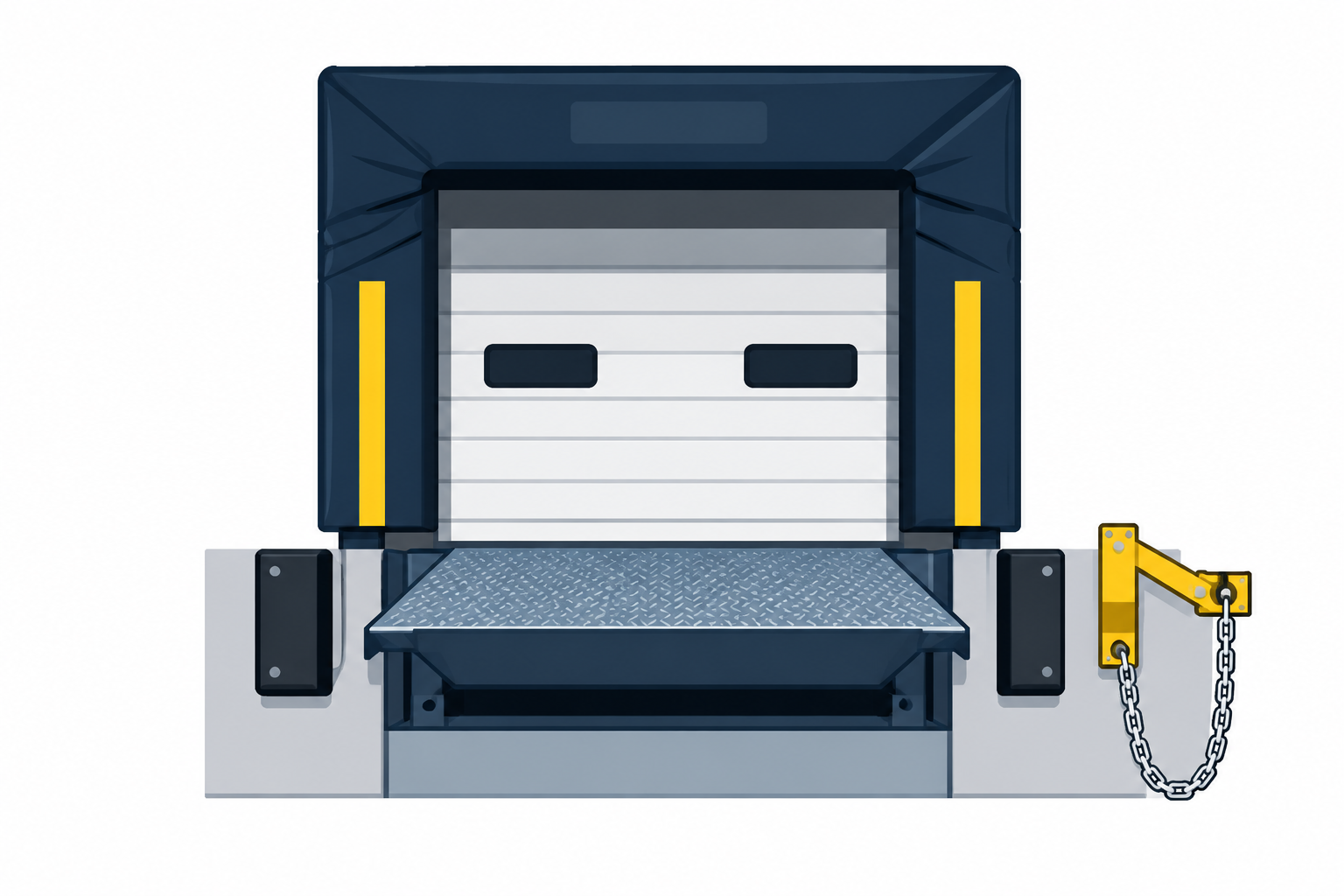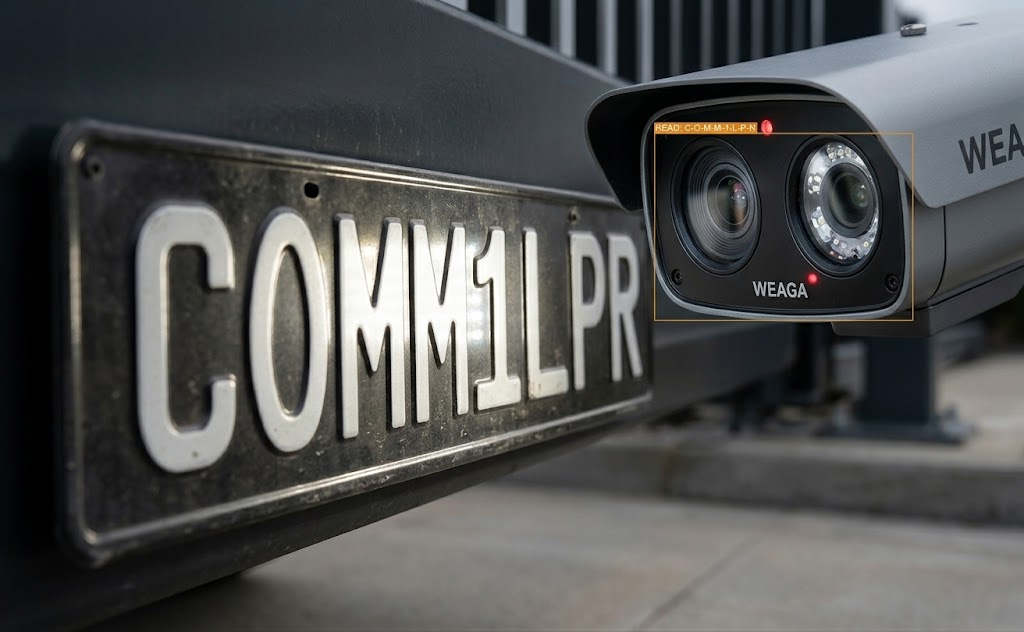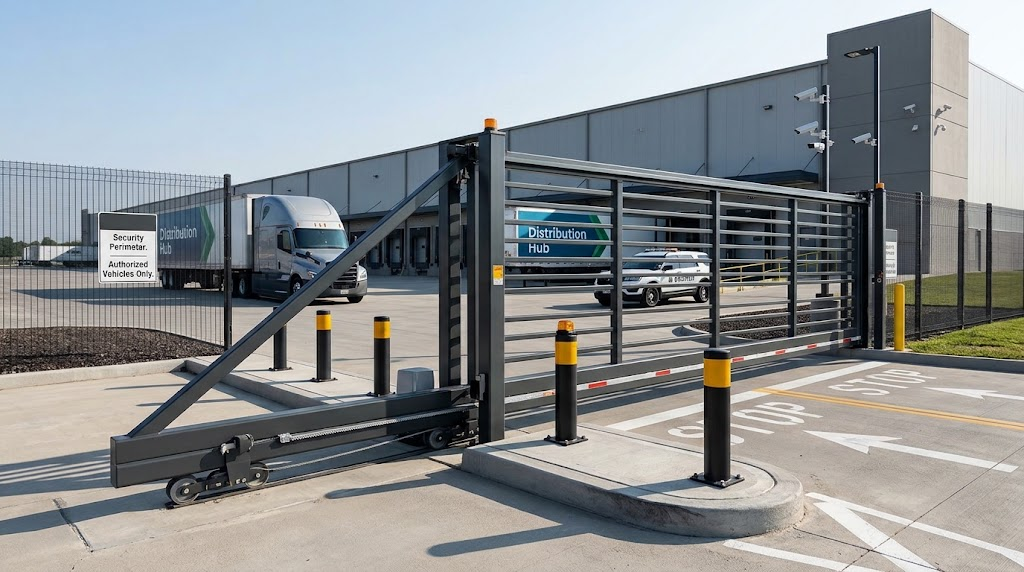
Your building’s entryways do far more than just welcome people inside. For warehouses, storefronts, and industrial complexes, commercial doors serve as critical barriers for security, climate control, noise reduction, and heavy daily workflow. Choosing the right door system ensures your facility remains secure, energy-efficient, and optimized for smooth daily operations.
Popular Types of Commercial Doors
Different areas of a commercial property demand specialized door solutions. The most common options include:
- Sectional Overhead Doors: The industry standard for warehouses and loading bays, opening vertically and tracking back along the ceiling to save interior space.
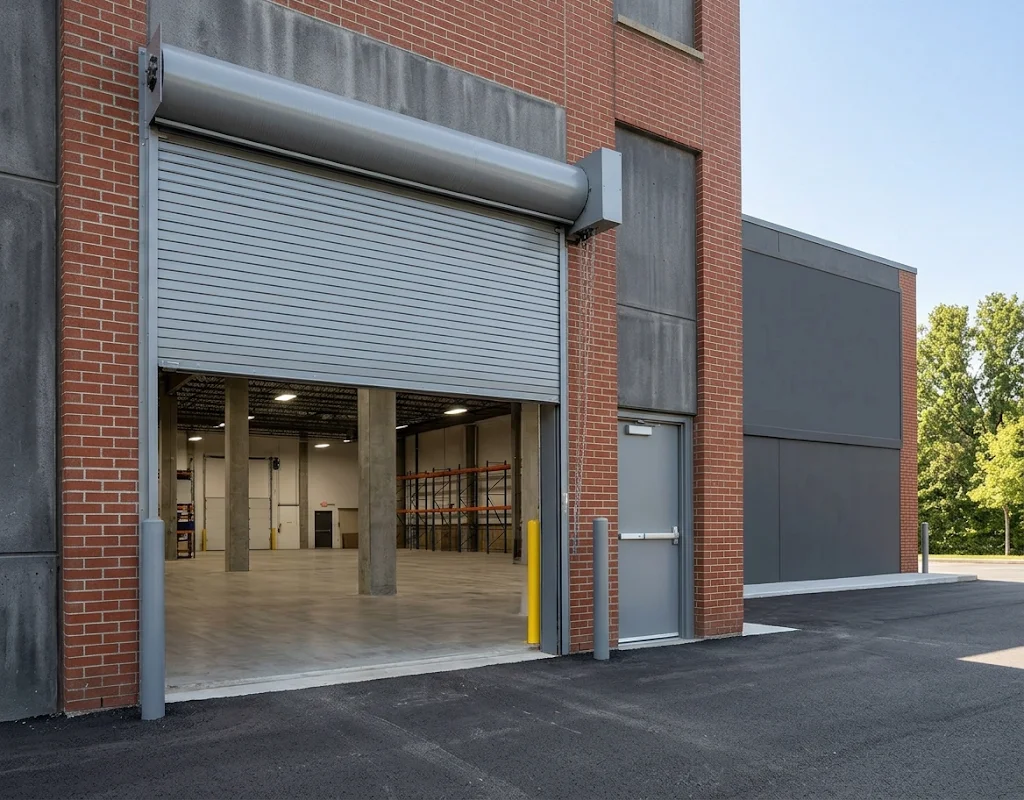
- Rolling Steel Doors: Built from interlocking steel slats, these doors roll tightly into an overhead drum, offering maximum security and durability for industrial perimeters.
- High-Speed Fabric Doors: Engineered for fast-paced environments like distribution centers or cold storage facilities, opening and closing rapidly to maintain indoor temperatures and minimize air exchange.
- Heavy-Duty Steel Entry Doors: Ideal for exterior employee exits and utility rooms, providing high impact resistance and dependable security.
Key Factors to Consider Before Buying
When selecting a commercial door system for your property, keep these performance factors in mind:
- Durability & Material: Gauge thickness, rust resistance, and material quality determine how well the door withstands heavy industrial use and harsh weather.
- Insulation (R-Value): For climate-controlled warehouses or auto shops, insulated doors prevent energy loss and lower utility bills.
- Wind-Load Ratings: Depending on your region’s local building codes, exterior commercial doors must be certified to withstand high wind pressures.
Frequently Asked Questions
What is the main benefit of high-speed commercial doors?
High-speed doors open and close in seconds, which drastically reduces energy loss, minimizes dust and pests, and keeps high-traffic warehouse operations moving smoothly without bottlenecks.
How do I choose between sectional overhead and rolling steel doors?
Sectional doors are typically used where ceiling space allows tracks to run back into the building, whereas rolling steel doors are ideal for tight spaces with minimal headroom, offering heavy-duty security.
Why does the R-value matter for commercial doors?
A higher R-value indicates better thermal insulation. This is vital for facilities looking to regulate indoor temperatures, protect temperature-sensitive goods, and reduce heating and cooling costs.
Upgrade Your Facility’s Entryways Today
Ready to strengthen your perimeter security and operational efficiency? Head over to our Home Page to explore our complete suite of solutions, or visit our Commercial Service Page to schedule a consultation or service appointment for your commercial doors.