The loading dock is the high-traffic heartbeat of any industrial warehouse, distribution center, or commercial shipping facility. When freight moves constantly in and out of your building, having the right infrastructure is vital. Upgrading your facility with modern commercial loading dock equipment not only accelerates your daily logistics and turnaround times, but it also minimizes workplace injuries and protects valuable inventory.
Core Components of a Modern Loading Dock System
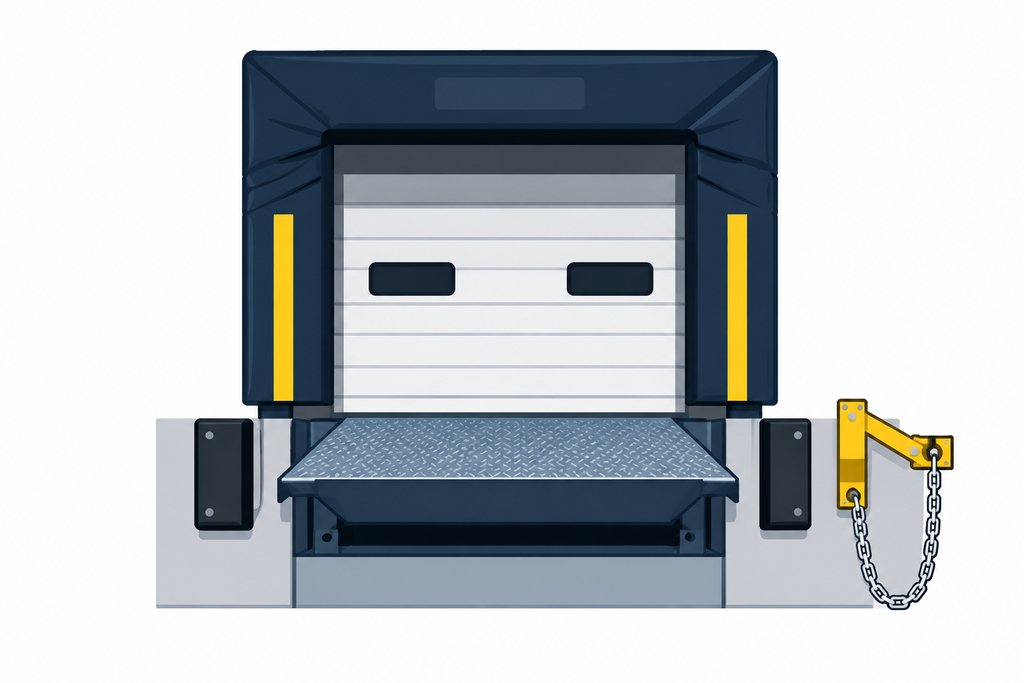
An efficient loading dock relies on several heavy-duty systems working seamlessly together to bridge the gap between warehouses and transport trucks:
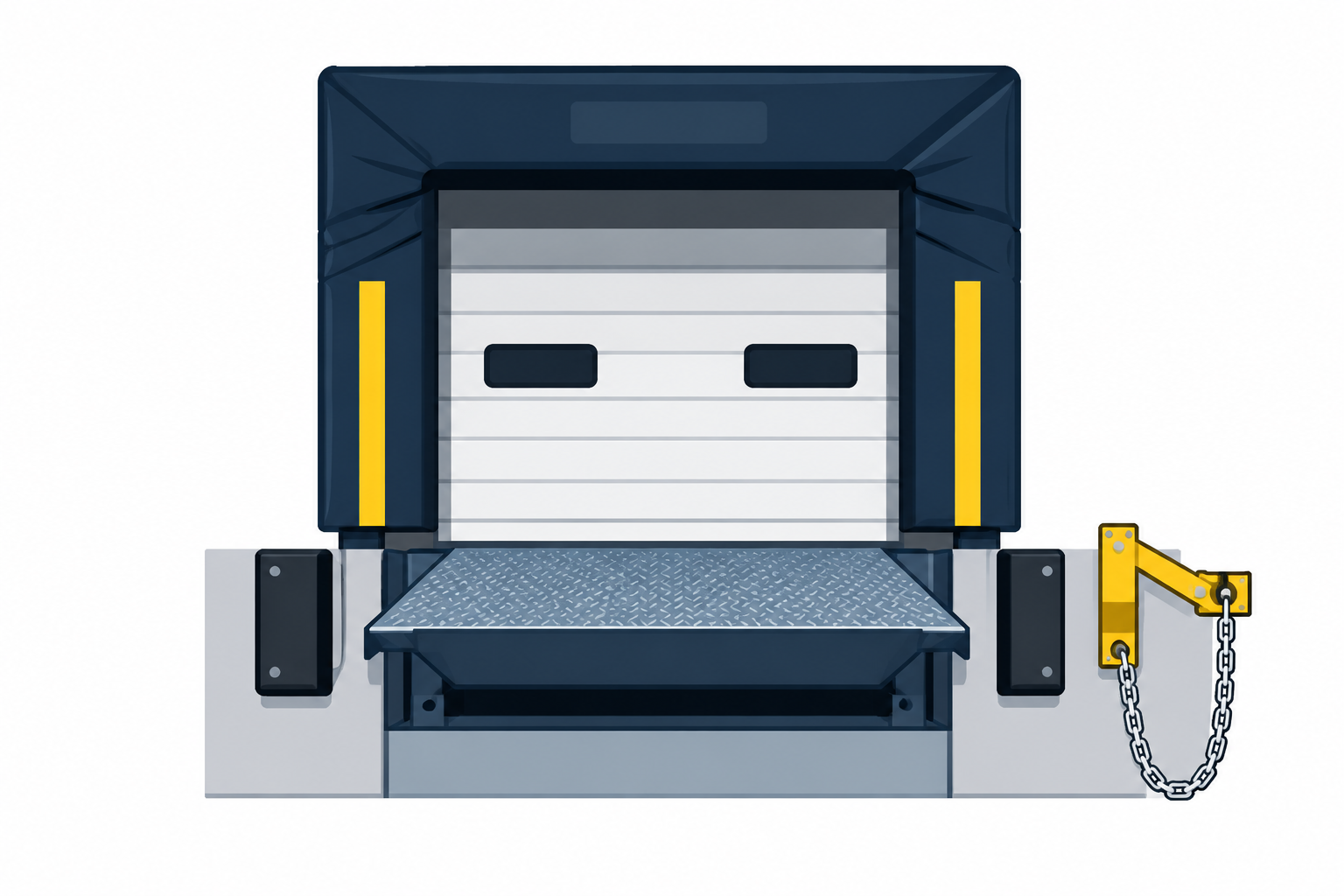
- Dock Levelers: Mechanical, hydraulic, or air-powered levelers bridge the height and distance gap between the loading bay and the trailer bed, allowing forklifts and personnel to load safely.
- Dock Seals and Shelters: These foam pads and fabric structures seal the gap around parked trucks, protecting interior warehouse climates, reducing energy loss, and keeping weather elements away from cargo.
- Vehicle Restraints: Safety hooks or locking systems secure transport trailers firmly against the building to prevent accidental truck pull-aways during active loading.
- Dock Bumpers: Heavy rubber bumpers absorb the continuous impact of reversing trucks to protect both the building’s structural foundation and the trailers.
Safety and Efficiency Benefits
Investing in high-grade commercial dock equipment transforms your supply chain operations:
- Mitigating Workplace Hazards: Slips, falls, and dock-edge drop-off accidents are among the most common industrial injuries. Reliable levelers and restraints dramatically reduce these risks.
- Climate Control & Asset Protection: Proper seals stop moisture, pests, and outside temperatures from entering your facility, safeguarding sensitive goods.
- Faster Freight Turnaround: Smooth transitions mean forklifts can move in and out of trailers faster, reducing overall shipping and receiving bottlenecks.
Frequently Asked Questions
What is the difference between mechanical and hydraulic dock levelers?
Mechanical dock levelers use spring systems operated manually via a pull-chain, while hydraulic levelers operate via push-button hydraulic pumps, offering smoother and easier operation with less physical strain.
Why are vehicle restraints necessary at a loading dock?
Vehicle restraints lock a trailer’s rear impact guard to the loading dock, preventing the truck from pulling away prematurely while forklift operators are still inside the trailer.
How do dock seals improve energy efficiency?
Dock seals compress tightly against the sides and top of a parked truck trailer, forming an airtight barrier that prevents conditioned indoor air from escaping and outdoor elements from entering.
Optimize Your Warehouse Operations Today
Ready to upgrade your facility’s safety and logistics infrastructure? Head over to our Home Page to view our full spectrum of industrial solutions, or visit our Commercial Service Page to consult with our team on loading dock equipment installation and maintenance.