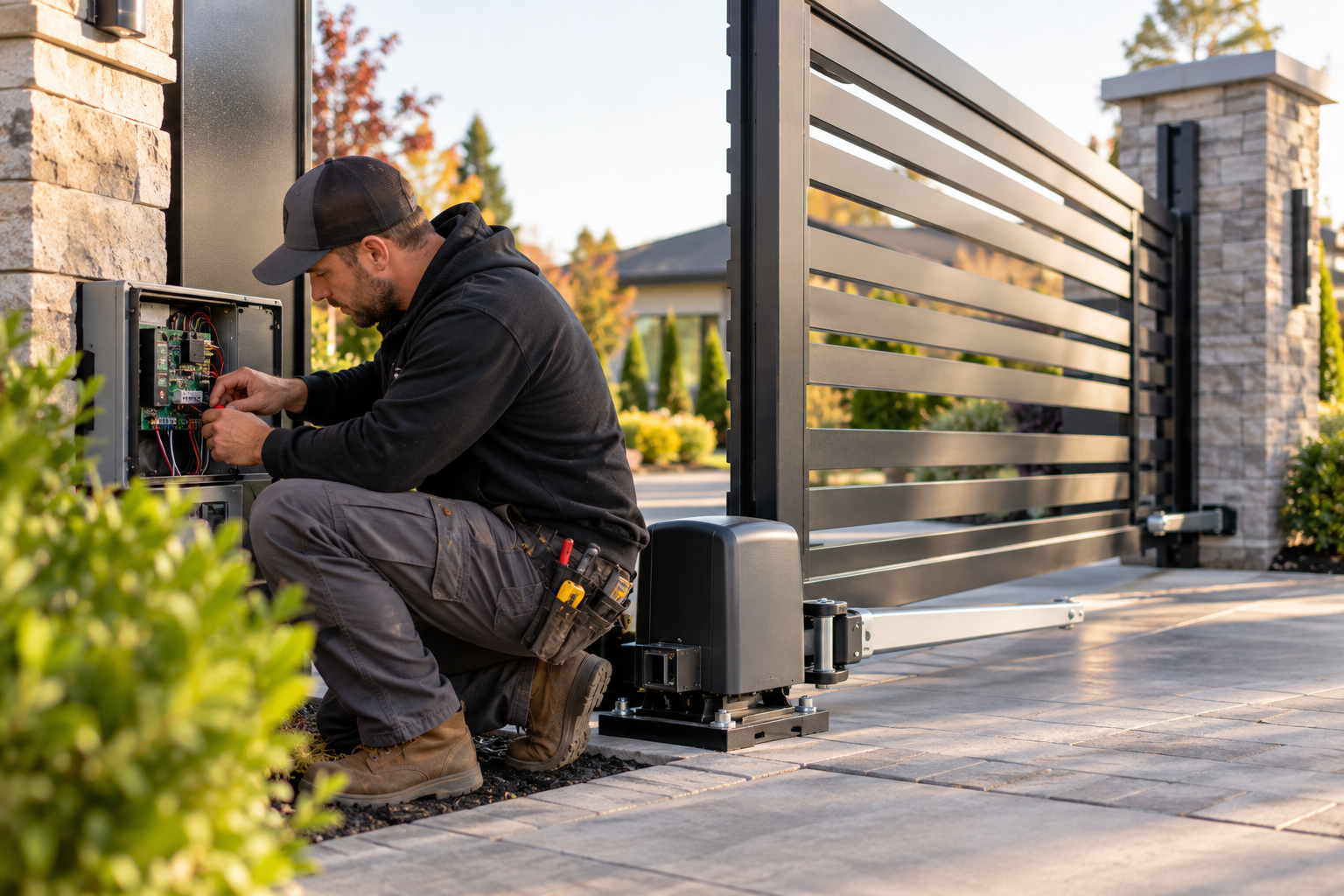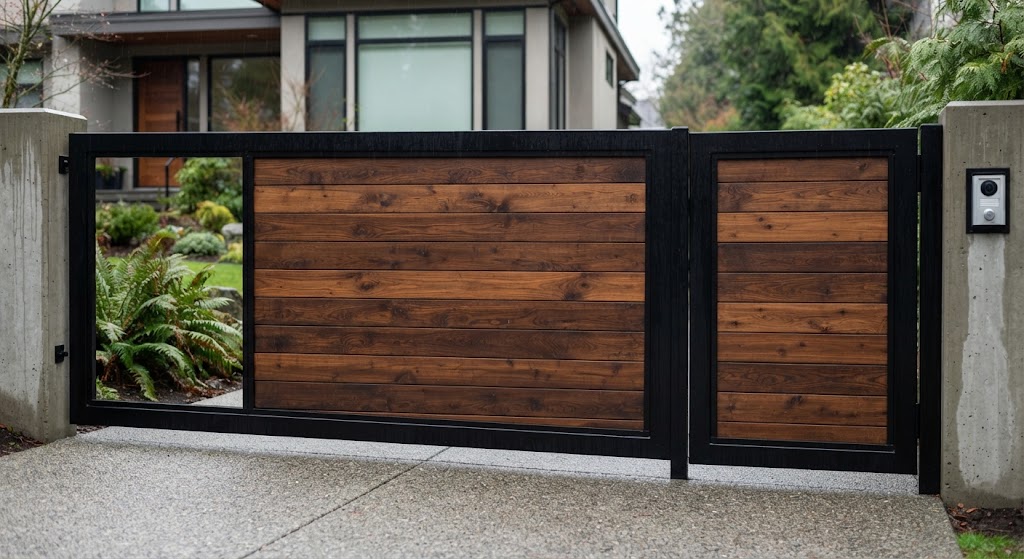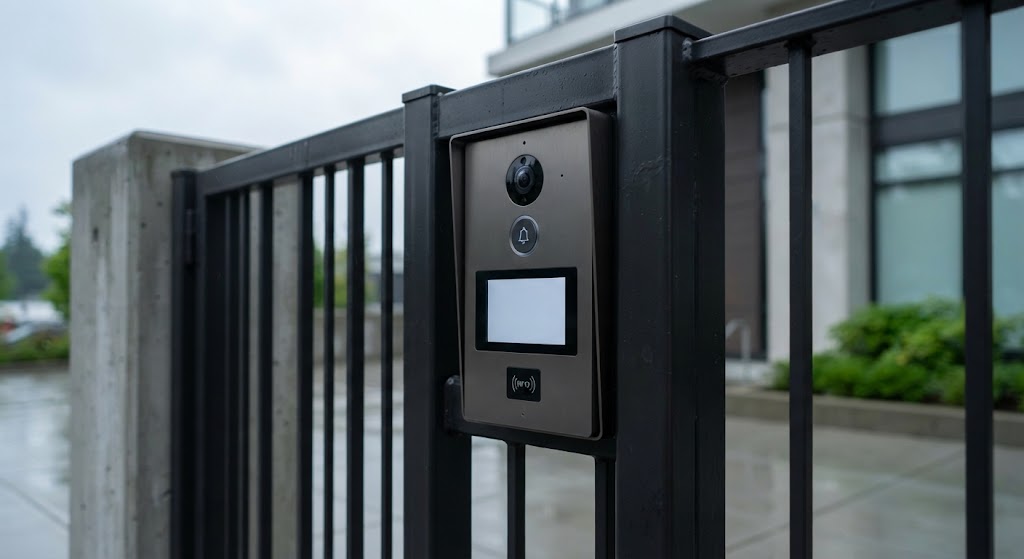
Automatic gates provide security, convenience, and curb appeal for residential and commercial properties. However, because automated gate systems rely on complex mechanical, electrical, and hydraulic components, regular upkeep is essential. Neglecting basic care can lead to unexpected breakdowns, expensive emergency service calls, and safety hazards.
This comprehensive guide covers essential gate automation maintenance strategies to keep your system running smoothly year-round and extend its operational lifespan.
Why Regular Automatic Gate Maintenance Is Essential
An automatic gate opener operates outdoors 360 days a year, exposed to fluctuating temperatures, rain, dirt, and debris. Routine maintenance helps you:
- Avoid Unplanned Downtime: Catching worn belts, low hydraulic fluid, or misaligned sensors early stops total system failure before it happens.
- Lower Repair Costs: Small adjustments and timely lubrication prevent strain on the motor, gearboxes, and hinges.
- Maintain Safety Compliance: Functional entrapment protection devices—such as photo eyes and sensing edges—prevent accidental property damage or bodily injury.
- Protect Your Warranty: Many gate opener manufacturers require documented routine maintenance to keep warranty coverage valid.
Seasonal Gate Automation Maintenance Checklist
Performing targeted inspections at different points throughout the year keeps your automated gate responsive regardless of weather conditions.
Monthly Maintenance Checks
- Clean Safety Sensors: Wipe down photo eye lenses with a microfiber cloth to clear cobwebs, dust, and water spots that block infrared beams.
- Visual Hardware Inspection: Inspect hinges, gate posts, rollers, track grooves, and mounting brackets for loose bolts, rust, or physical wear.
- Test Emergency Release: Manually disconnect the gate drive system using your key or manual release mechanism to ensure you can operate the gate during a power outage.
Quarterly Maintenance Tasks
- Lubricate Moving Parts: Apply high-grade lithium grease or manufacturer-recommended lubricant to hinges, rollers, chain drives, and operator arms. Avoid using standard WD-40, as it attracts dust and dirt over time.
- Clear Travel Path & Loop Detectors: Trim back overgrown vegetation, bushes, or grass near the gate travel path, ground loops, and control enclosure.
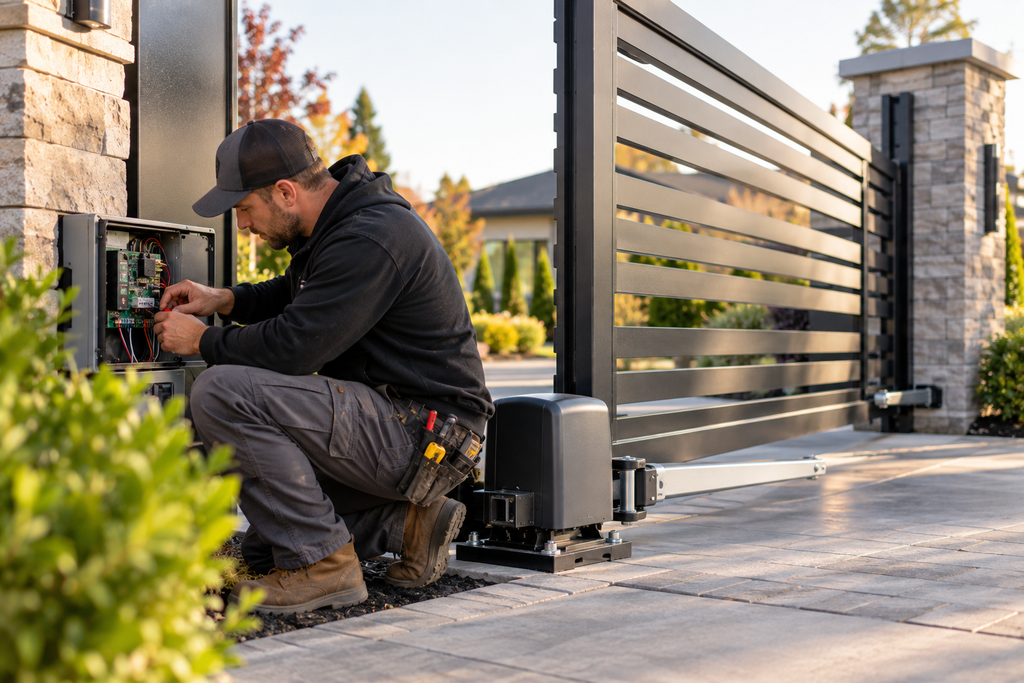
- Inspect Wiring & Enclosures: Check the control board enclosure for signs of moisture, insect nests, or rodent damage. Ensure seal gaskets are intact.
Bi-Annual / Annual Maintenance Tasks
- Check Hydraulic Fluid Levels: For hydraulic gate operators, inspect fluid levels and top off or replace fluid according to manufacturer specifications.
- Test Battery Backup: Check the voltage output on auxiliary battery backups and replace aging batteries every two to three years.
- Professional System Audit: Have a certified gate automation technician perform a deep-system diagnostic, checking current draws, mechanical alignment, and force settings.
Key Safety Tests Every Gate Owner Should Perform
Automated gate systems must meet safety guidelines (such as UL 325 standards) to ensure safe operation around pedestrians and vehicles.
1. Photo Eye Sensor Reversal Test
- Initiate a gate closing cycle.
- Wave an object (such as a piece of cardboard) across the path between the photo eye sensors.
- Expected Result: The gate should stop immediately and reverse to the fully open position.
2. Edge Sensor Contact Test
- Initiate a gate closing cycle.
- Carefully apply firm pressure to the safety edge mounted on the leading edge of the gate.
- Expected Result: The gate should stop and reverse immediately upon impact.
Common Gate Automation Issues & Troubleshooting
| Symptom | Probable Cause | Recommended Action |
|---|---|---|
| Gate will not open or close | Power supply failure, tripped breaker, or dead remote battery. | Check power source, reset breaker, or replace remote batteries. |
| Gate opens partially then reverses | Misaligned photo eyes, obstruction on track, or force setting limit reached. | Clean and realign photo eyes, clear track obstruction, or check limit switches. |
| Grinding or squeaking noises | Dry hinges, unlubricated chain, or worn bearings. | Apply targeted spray lubricant or grease to moving mechanical parts. |
| Beeping from control box | Low backup battery voltage or system fault code active. | Inspect backup battery voltage or refer to error codes on control board display. |
Frequently Asked Questions (FAQ)
How often should an automatic gate be serviced?
Residential automatic gates should receive a thorough inspection and lubrication every six months. Commercial or high-traffic gates (such as apartment complexes or storage facilities) require quarterly or monthly professional maintenance.
What lubricant should I use on automatic gate hinges and chains?
Use a heavy-duty white lithium grease or specialized silicone spray for hinges, chains, and sprockets. Avoid standard WD-40, as it dissolves factory grease and attracts grit.
Why is my automatic gate opening by itself?
Unintended opening is usually caused by stuck button contacts on a remote, short-circuited loop detectors, stuck keypads, or signal interference from neighboring devices. Inspect wireless accessories and check control board terminal connections.
Professional Gate Automation Service
While basic cleaning, visual checks, and lubrication can be done by property owners, technical electrical work, limit switch recalibration, and motor repairs should be handled by trained professionals. Regular professional maintenance ensures compliance with safety regulations and maximizes the lifespan of your automated gate system.